 SamePal
Margin erosion
Everyone gets the same cut. High-intent shoppers who would have paid full price are subsidized. Low-intent shoppers leave when the sticker comes off.
Retail neural network · store-local
Retailers spend billions on blanket promotions that thin margins and teach shoppers to wait for the next sale. SamePal turns ten visits into a habit — with a personal offer created for that shopper, in that store.
The expensive reflex
A yellow sticker trains one behavior: wait. It does not remember that this household always buys oats and tomatoes, arrives after work on Thursdays, and will add olive oil if the offer is theirs — not the store’s weekly broadcast.
Everyone gets the same cut. High-intent shoppers who would have paid full price are subsidized. Low-intent shoppers leave when the sticker comes off.
Classic promotions are blind to repeat baskets. They cannot tell a first-time passerby from a neighbor who shops here twice a week.
Shoppers and regulators are wary of biometric dossiers and hidden “surveillance pricing.” SamePal is built to stay on the other side of that line.
Three agents, one loop
SamePal is a neural network for a single retail space. Three stations watch movement and baskets — not identities — and only start personalizing after a shopper voluntarily interacts with an in-store tablet.
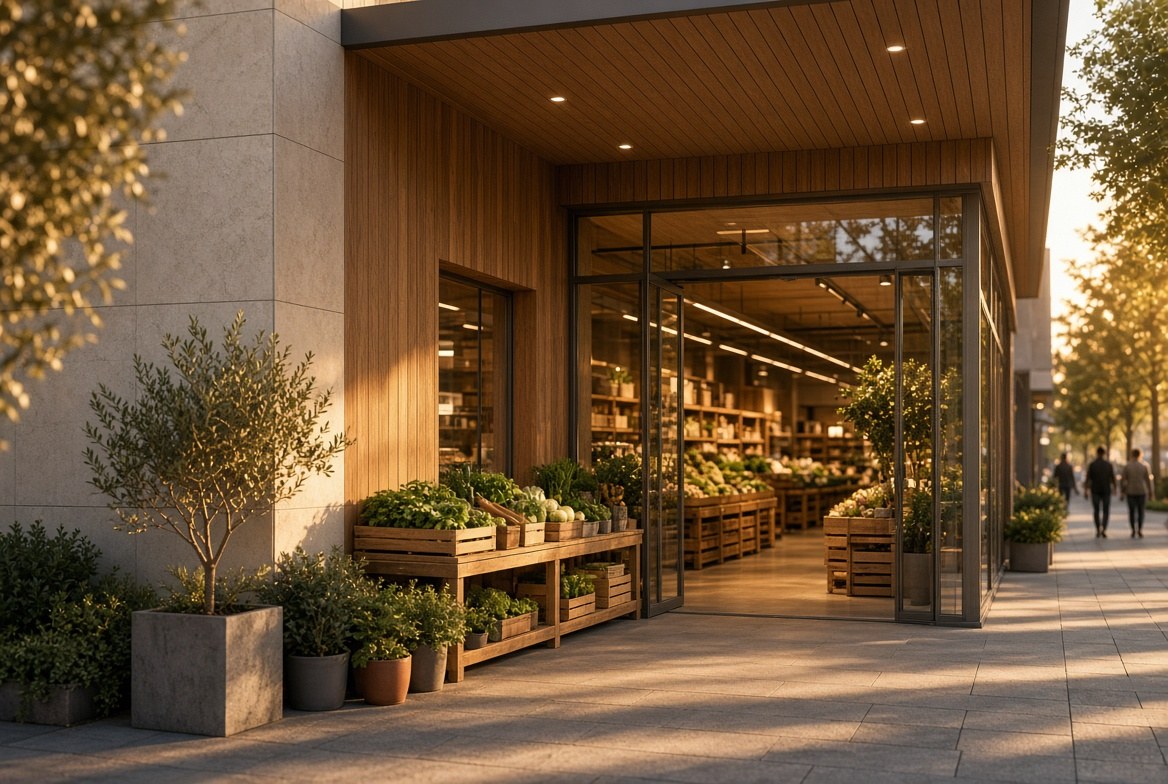
ToF and camera extract anonymous structure. No video or photo is stored. The vector is slotted into a dummy profile. Staff wearing tags are excluded from shopper counts.
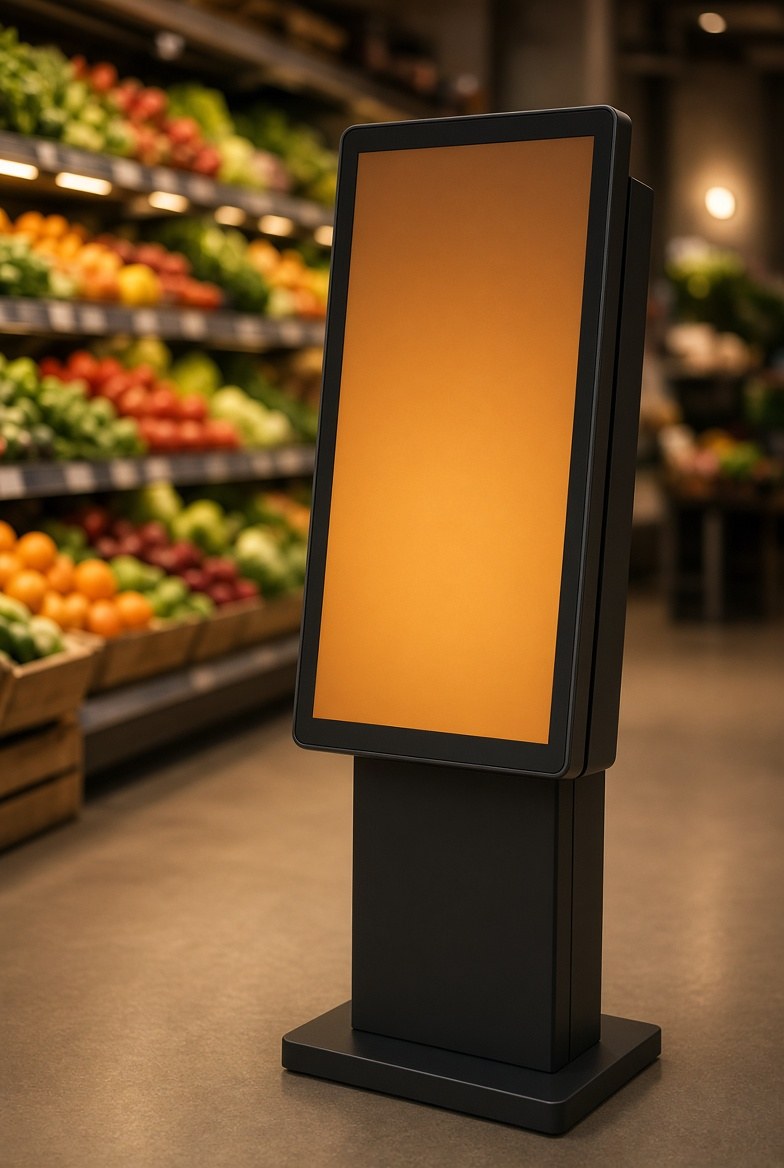
Legal access to a working profile begins when the shopper chooses to interact. Then they receive a 15-minute offer built from what people like them actually buy in this store.
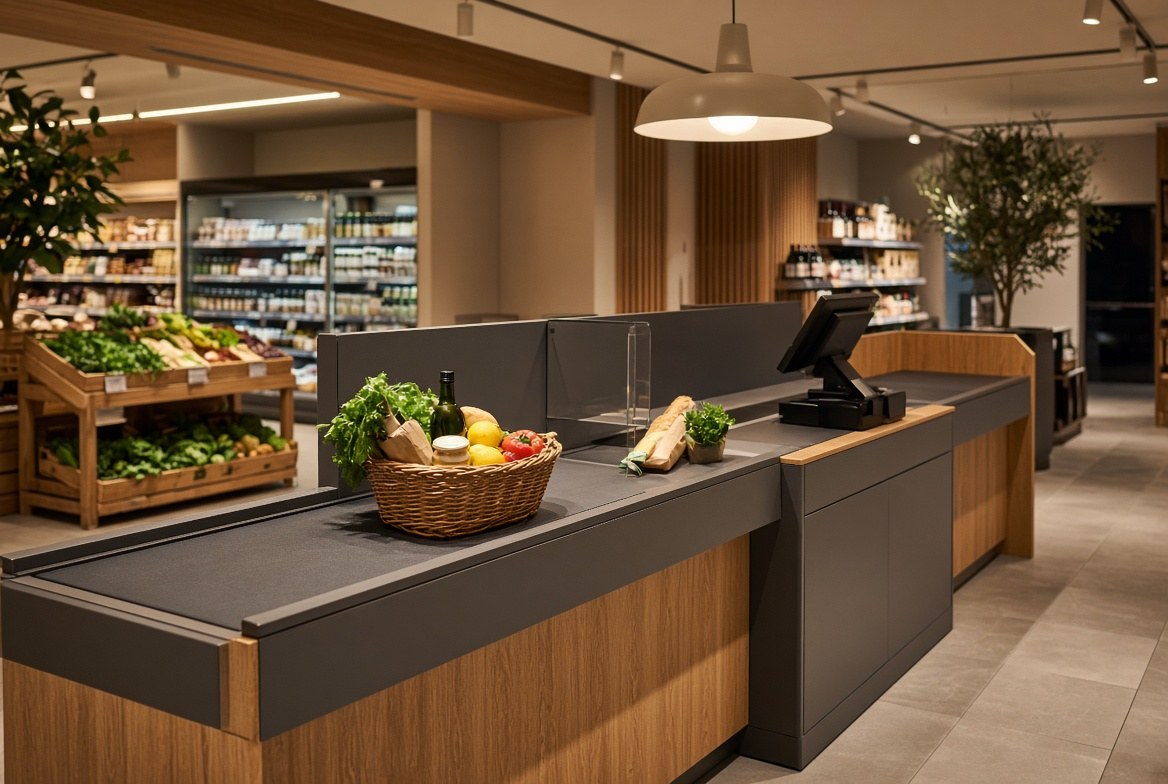
Purchases attach to the dummy profile. Reinforcement learning improves the next offer — for that shopper and for lookalike local groups. No global data broker required.
Interactive walkthrough
Advance the visits. Consent appears only at the tablet. The 15-minute offer stays locked until the shopper opts in.
We do not open a working commercial profile from a face in the doorway. Tap to attach this visit to the dummy profile already learning from baskets in this store.
Redeem before the window closes. Timing can flex with queue load so the offer is useful, not noisy.
Designed against the dossier
SamePal records anonymous vector data. It does not store video or photos. Over time, repeat visitors are grouped — not named — and offers stay inside the four walls of the store that earned the data.
Entrance sensing keeps structure, not a picture. There is no searchable face gallery sitting on a server.
Profiles are placeholders. They hold vectors and baskets. A legal working profile starts only after tablet interaction.
No market-research panel. No global broker. Correlation happens among local dummy profiles that shop here.
SamePal replaces generalized sales with a short, individual offer — not a hidden higher price for the person next in line.
Sensing stack
Identification for offers is vector-based. Camera analytics sit beside that loop for store operations — footfall, dwell, conversion, staffing — without turning the aisle into a biometric file.
What the retailer sees
Each accepted offer trains the local model. Similar dummy profiles get sharper predictions. Offers can be timed to floor load so the store sells more without flooding an already busy hour.
Straight answers
No gallery of faces is kept. The system stores anonymous vectors and dummy profiles. A commercial profile is not activated from a walk-in alone.
The product is a timed personal offer in place of a generalized sale. The shopper sees it on a screen they chose to use.
In the store’s loop. Dummy profiles are correlated with other dummy profiles from that location so local groups get better offers over time.
Baskets can train an anonymous profile from the first checkout. Personalized offers require voluntary tablet interaction.
Pilot a floor
Tell us the store format and we will walk the three-agent loop against your entrance, tablet point, and checkout.